Diesel diagnostics
Tested, not guessed: codes, cranking, fuel, and charging worked through at the truck with the findings explained.
Frisco freight is the logistics frontier of the Metroplex: new warehouses, new routes, new delivery density, and roads that were country lanes a mortgage ago. When a truck fails out here, on the Dallas North Tollway, along 121, or at a distribution dock that did not exist last spring, the nearest heavy bay is a long tow south. Frisco Superior Mobile Truck Repair exists to make that tow unnecessary.
Engine faults diagnosed, air systems repaired, trailers and liftgates fixed, tires handled curbside, and fleets kept on calendars, across the fastest-growing corner of North Texas.
What failed, where precisely (park names beat street numbers out here), what is aboard, and whether it rolls. You get the probable cause, the lot-or-bay answer stated plainly, and a window quoted against tollway and school-traffic reality.
Summer brings the heat questions every North Texas call earns: gauges, coolant, sun time. The answers decide half the load-out.
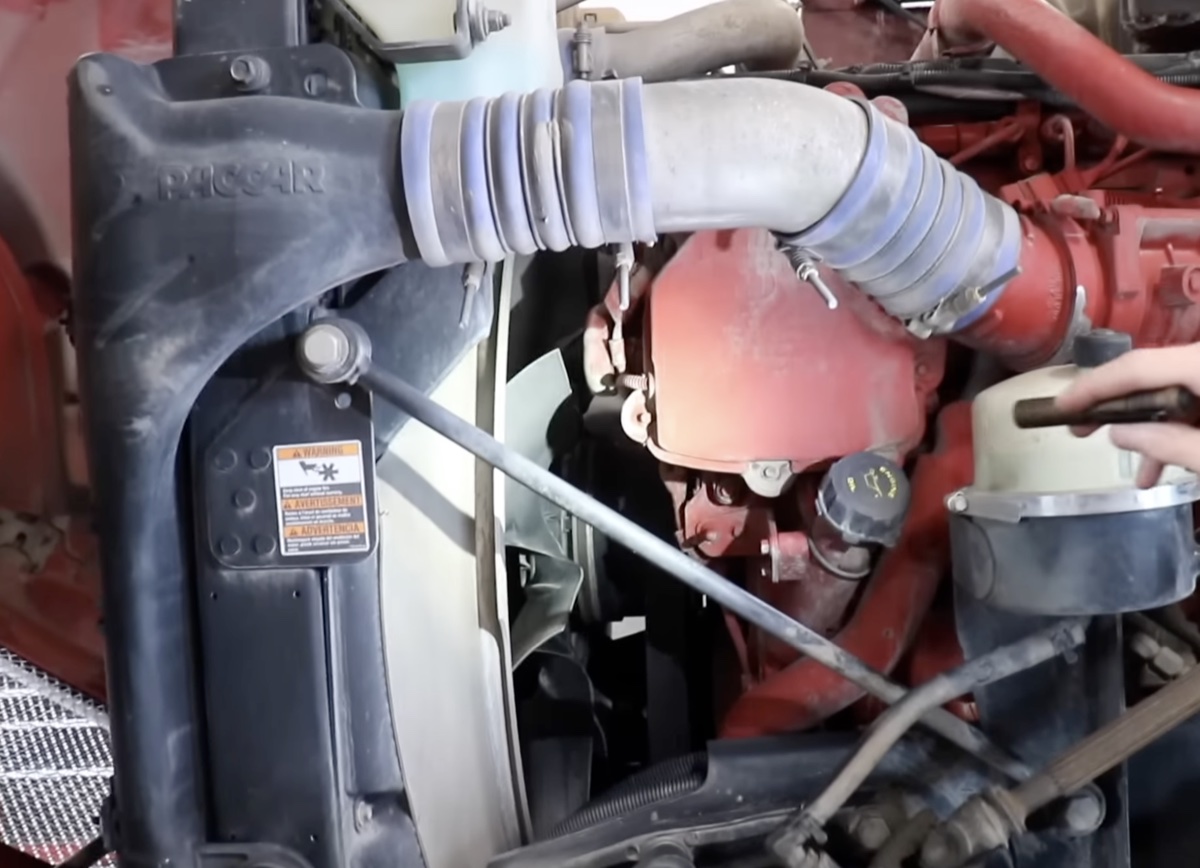
Tested, not guessed: codes, cranking, fuel, and charging worked through at the truck with the findings explained.
Suburban stop-and-go wears brakes on fast-forward. Leaks sealed, hardware renewed, stroke returned to spec.
The local specialty: hydraulics, switches, and wiring for gates that quit mid-pallet, fixed at the dock.
Circuits, plugs, air, doors, and legs handled where the trailer sits.
Swaps and repairs with heat margins in the math, plus the debris-damage patches this construction boom generates.
Calendar care for delivery and contractor fleets, timed to routes and seasons.
The working map runs the growth: Frisco and Plano's commercial spread, the 121 corridor's warehouse boom, McKinney and Prosper filling in northward, and the DNT carrying it all toward Dallas. Add US-380's construction-heavy stretch and the Preston Road delivery density, and you have a territory where freight arrived faster than freight infrastructure.
That mismatch is our business model. The equipment is here, the bays mostly are not, and a service truck that knows these suburbs beats a tow chain pointed at Dallas every working day of the week.
Last-mile fleets dominate this territory and their equipment works punishing suburban duty: constant stops, liftgate cycles, and residential streets that hide curbs like traps. Contractor rigs building the next subdivision run just as hard. Both get calendar maintenance, unit records, and the early warnings that keep small problems out of the emergency column.
The new distribution operations arriving along 121 get set up at their own scale: a single yard walk to learn the ground, then a service rhythm that mirrors their shipping waves.
The whole northern arc, yes. Growth keeps redrawing the edges and we keep pace. Name the park or crossroads and you get a real window.
High, and say so when you call. A gate failure mid-route strands cargo and driver both, and those calls get the fastest safe response we can build.
Capacity is thin and the tows point south, which is the honest reason mobile service thrives on this frontier. Most of what fails on working trucks never needed a bay anyway, and we prove it daily.
Patches where casings allow, swaps where they do not, and pressure checks that catch slow leaks before they strand you. Fleets running site routes get tire sweeps in their rotations for exactly this reason.
They are the growth core of the territory. Setup takes a single yard walk, after which the rotation follows your shipping waves and the records hold up to any review.
Delivery country runs early and late, and the phone runs with it. Same triage at every hour the suburbs work.
Inside the standard territory, both. The 121 corridor binds the whole arc together and our windows quote real suburb-to-suburb drive times.
The trailer side fully, cold cargo triaged first. Suburban grocery runs live and die on door seals and circuits, and both are core stock for us.
They flood the surrounding roads on a published schedule, so we quote around it honestly. If your dock sits inside the crowd map, the smart window is before the gates or after the final whistle, and we will say which.
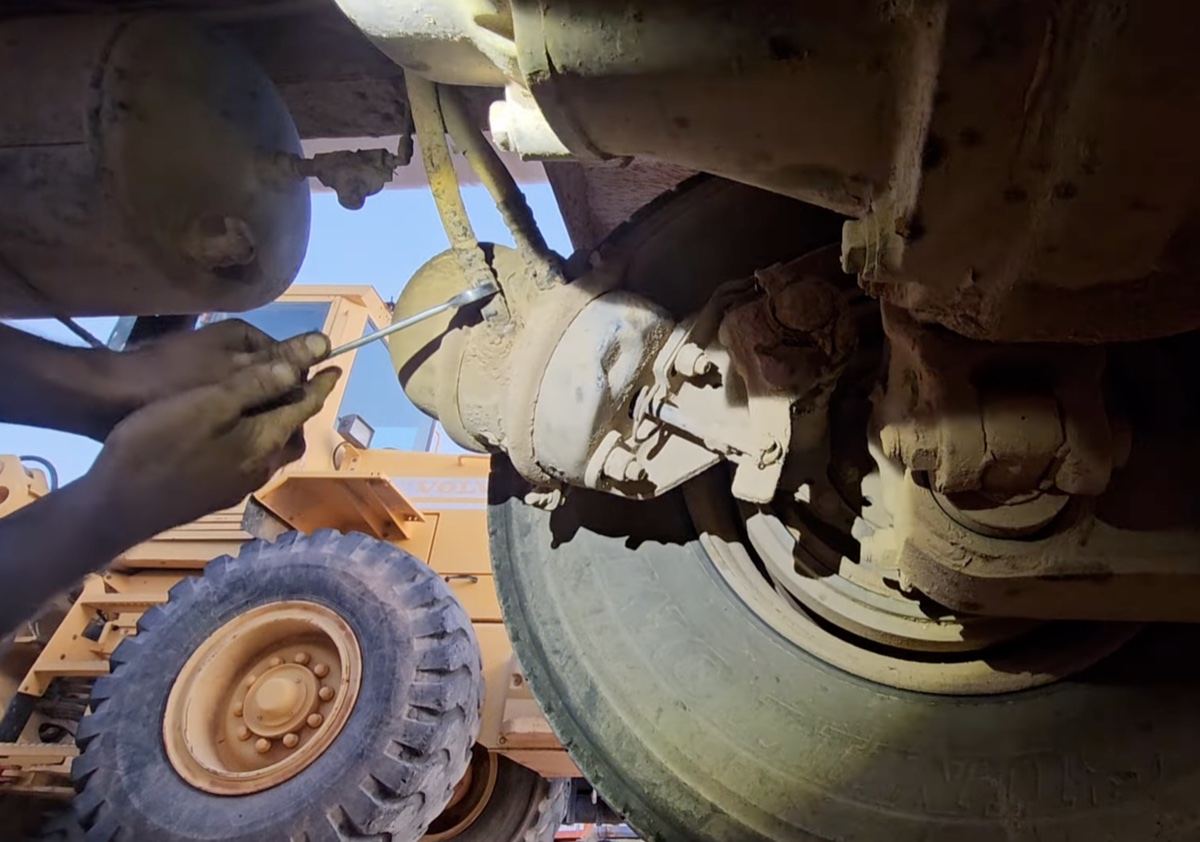
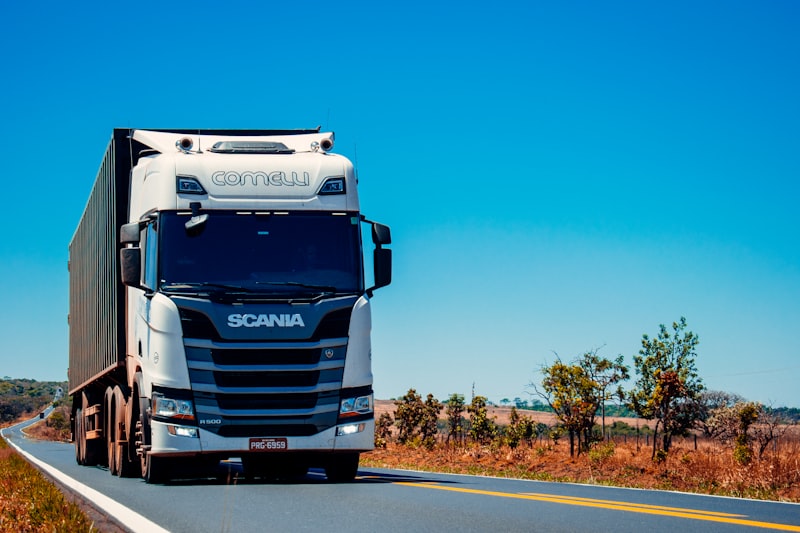
Delivery duty is its own wear profile: brakes and liftgates cycle constantly, batteries never get long enough runs to recover, and curb strikes bend what Texas heat then bakes. Our most common calls are exactly that trio, and the service truck stocks for them by default. Construction traffic adds tire casualties from job-site debris that migrates onto public roads faster than sweepers catch it.
The area's newness cuts both ways: equipment skews younger than average, but the duty cycles are harsh and the maintenance culture is still forming at many operations. We help form it, one written unit record and one honest verdict at a time.
Weather does its North Texas usual: heat that stresses everything electrical from June through September, spring hail that rewrites body panels and schedules in one loud evening, and the occasional ice glaze that turns the tollway polite. Each gets its season in our stock and its line in the fleet calendars we run.
Sports-district event nights add the local wrinkle: the venue cluster floods the surrounding roads on a schedule anyone can read, and freight that must move through it either plans around tipoff or joins the audience. Our windows read the same calendar and keep their promises anyway.
North Texas hail is a calendar event with an insurance industry attached, and fleet yards here plan for it or pay for it. We help with both halves: pre-season checks that document equipment condition, and post-storm sweeps that separate cosmetic bruises from the broken lights, cracked lenses, and dented air lines that actually park a truck. The spring sky does what it wants. The paperwork and the repairs are the parts we can control.
Suburban freight lives with a rhythm the interstates never taught it: school-zone crawls, HOA delivery windows, and retail docks that share driveways with coffee lines. Our windows respect that texture because we drive it daily. A repair promised around here comes with local knowledge included, which is a small thing until the day it is the whole thing.
North DFW restocks at night, and the DNT and 121 run their freight hours when the commuters sleep. Night dock calls are standard calls for us: same triage, same windows, and honestly better driving. If your operation works the dark hours, the number does too.
Everything these suburbs consume arrives in a box truck's final miles, and every failed gate, brake, or battery in that chain lands on somebody's doorstep as a missing delivery. Mobile repair keeps the chain's weakest moments short: the fix meets the truck on its route, the route resumes, and the doorsteps stay boring. It is unglamorous infrastructure for an unglamorous miracle, and we are content with both.
Every quarter adds another park, another fleet, another crossroads that needs a wrench with wheels. We grow with the map on purpose: new operations get the same windows and standards as the established ones, and the territory's edges move north with the concrete. If your yard is new enough that GPS argues about it, you are exactly who we built this for.
Park or exit, failure, cargo, clock. Verdict, window, technician northbound. The frontier stays moving.